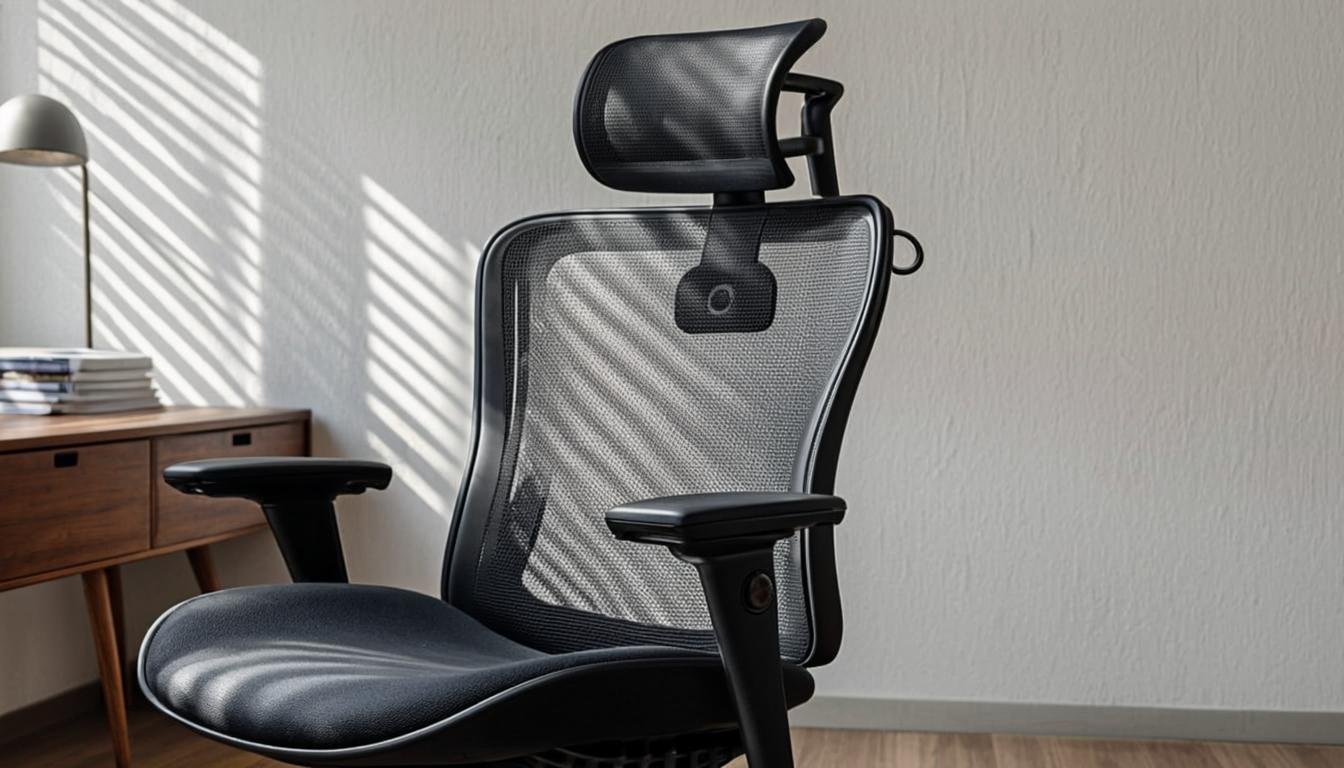

Why Ergonomics Matter for Writers and Bloggers
Let’s talk about something most bloggers ignore until it’s too late — the physical toll of sitting at a desk for 8, 10, or 14 hours a day. If you’re anything like me, you’ve powered through backaches, neck stiffness, and that weird numbness in your legs because you had “just one more article to finish.” I get it. But here’s the hard truth: your body doesn’t care about your publishing schedule.
According to the National Institutes of Health, prolonged sitting increases your risk of chronic back pain by up to 90%. And writers are particularly susceptible because of the forward-head posture we adopt while staring at screens all day. A good ergonomic chair isn’t a luxury — it’s an investment in your career longevity. If you can’t sit comfortably, you can’t write consistently. And if you can’t write consistently, your blog suffers.
In this guide, I’m going to walk you through everything you need to know about choosing the best ergonomic chair for writing and blogging. We’ll cover why ergonomics matter, the different types of chairs available, my top 8+ recommendations with specs, prices, pros, and cons, a detailed comparison table, desk-chair setup tips, and the accessories that take your setup from good to great.
If you’re building out your entire workspace, you might also want to check out our standing desk guide and our mechanical keyboard recommendations.
Understanding Ergonomic Chair Types
Not all ergonomic chairs are built the same. The right choice depends on your budget, body type, workspace setup, and how many hours a day you spend writing. Let’s break down the main categories:
Full Mesh Office Chairs
These are the gold standard for long hours at a desk. They feature breathable mesh backs (and sometimes seats) that keep you cool during marathon writing sessions. The Herman Miller Aeron is the most famous example, but there are plenty of more affordable options.
Best for: 8+ hours daily, warm climates, writers who tend to overheat
Leather and Faux Leather Executive Chairs
These look professional and feel luxurious, but they come with trade-offs. Real leather breathes better than faux leather, but both can get hot during long sessions. They’re heavier and harder to adjust than mesh chairs.
Best for: Shorter writing sessions, professional offices, aesthetics-focused setups
Task Chairs
Task chairs are the budget-friendly option. They offer basic ergonomics — adjustable height, tilt, and sometimes lumbar support — but lack the premium features and build quality of higher-end options. They’re fine for occasional use but not ideal for full-time bloggers.
Best for: Part-time bloggers, tight budgets, secondary workspaces
Gaming Chairs
Gaming chairs like the Secretlab Titan and Respawn models have become popular with writers and bloggers who want a sporty aesthetic. They offer strong lumbar support, recline capabilities, and bold designs. The downside? They can feel rigid compared to traditional ergonomic chairs, and the bucket-seat design doesn’t suit everyone.
Best for: Bloggers who also game, those who want bold aesthetics, extended sitting sessions with reclining breaks
Saddle Chairs and Kneeling Chairs
These alternative designs promote active sitting by engaging your core muscles. Saddle chairs position you in a posture similar to riding a horse, while kneeling chairs distribute your weight between your buttocks and shins. Both take some getting used to but can be excellent for writers with back issues.
Best for: Writers with chronic back pain, those who want to alternate between sitting styles
Balance Ball Chairs
These chairs replace the traditional seat with an exercise ball, forcing you to engage your core to maintain balance. They’re great for short writing sessions and can help improve posture, but they’re not ideal for all-day use since the constant micro-movements can be tiring.
Best for: Short writing sessions, posture training, people who can’t sit still
Key Features to Look For in an Ergonomic Chair
Before we get to specific recommendations, let’s understand what separates a genuinely ergonomic chair from a marketing gimmick. Here are the features that actually matter:
Lumbar Support
This is the single most important feature. Your lower back has a natural inward curve, and sitting for prolonged periods tends to flatten that curve, putting pressure on your spinal discs. A good ergonomic chair has adjustable lumbar support that maintains that natural curve.
There are two main types:
- Fixed lumbar pads — Built into the backrest at a set height and depth. Simple but less customizable.
- Adjustable lumbar support — You can change both the height and the depth of the support. This is what you want if multiple people will use the chair, or if you like to change positions throughout the day.
Seat Depth Adjustment
The seat depth determines how much of your thigh is supported. If the seat is too long, it presses against the back of your knees, restricting blood flow and causing discomfort. If it’s too short, you won’t have enough thigh support.
Adjustable seat depth lets you customize this based on your height. A quick test: sit in the chair and see if you can fit 2–3 fingers between the front edge of the seat and the back of your knees.
Armrest Adjustability
Armrests are more important than most people realize. They support your arms and shoulders, reducing strain on your upper back and neck. The key is adjustability — one-size-fits-all armrests can actually cause more harm than good if they force your shoulders up or your wrists into awkward angles.
What to look for in armrests:
| Adjustment Type | Why It Matters |
|---|---|
| Height adjustable | Elbows at 90 degrees, shoulders relaxed |
| Width adjustable | Fits different shoulder widths |
| Depth (forward/back) adjustable | Supports forearms without interfering with typing |
| Pivot adjustable | Follows natural arm movement |
Chairs with all four adjustments are called “4D armrests” and they’re worth the extra cost.
Top 8 Ergonomic Chairs for Writers and Bloggers in 2026
After researching dozens of models, testing what I could, and analyzing thousands of user reviews, here are my top picks organized by budget and use case.
1. Herman Miller Aeron (Best Overall)
| Spec | Details |
|---|---|
| Price | $1,395–$1,695 |
| Weight Capacity | 300 lbs |
| Adjustments | Seat height, seat depth, armrests (4D), tilt tension, tilt limiter, lumbar, forward tilt |
| Material | Proprietary Pellicle mesh |
| Warranty | 12 years |
| Size Options | Three sizes (A, B, C) |
Pros: Industry benchmark for ergonomic chairs, incredibly breathable, 12-year warranty covers everything, three size options for different body types, holds resale value better than any other chair.
Cons: Very expensive, armrests could be better at this price, no headrest, the mesh can feel firm for the first few weeks.
The Herman Miller Aeron has been the gold standard since 1994, and the remastered version released in recent years improved the lumbar support and added better adjustments. If you write for a living and can afford it, this is the chair to buy.
2. Steelcase Gesture (Best for Tech-Heavy Bloggers)
| Spec | Details |
|---|---|
| Price | $1,200–$1,500 |
| Weight Capacity | 400 lbs |
| Adjustments | Seat height, seat depth, 4D armrests, adjustable lumbar, flexible back, tilt |
| Material | Mesh or fabric options |
| Warranty | 12 years |
Pros: Best-in-class armrests that move with you (perfect for switching between keyboard, mouse, and phone), highest weight capacity in its class, 3D LiveBack technology adapts to your posture, available in multiple fabric options.
Cons: Expensive, the mesh version isn’t as breathable as the Aeron, seat can feel flat for some users.
The Steelcase Gesture was designed specifically for how people work with technology — constantly shifting between devices. For bloggers who alternate between typing on a laptop, scrolling on a tablet, and checking their phone, the Gesture’s arms move exactly how you need them to.
3. Autonomous ErgoChair Pro (Best Value Under $500)
| Spec | Details |
|---|---|
| Price | $299–$449 |
| Weight Capacity | 300 lbs |
| Adjustments | Seat height, seat depth, tilt, headrest, armrests (4D), lumbar, recline lock |
| Material | Mesh back, foam seat |
| Warranty | 5 years |
Pros: Excellent value for the feature set, adjustable headrest, breathable mesh back, supports up to 300 lbs, comes mostly assembled.
Cons: Seat foam could be higher density, armrests feel a bit wobbly, customer service has mixed reviews, mesh back doesn’t breathe as well as premium options.
The Autonomous ErgoChair Pro delivers 80% of the Herman Miller experience at 25% of the price. It’s the chair I recommend most often to budget-conscious bloggers who still want serious ergonomics.
4. HON Ignition 2.0 (Best Under $400)
| Spec | Details |
|---|---|
| Price | $250–$400 |
| Weight Capacity | 300 lbs |
| Adjustments | Seat height, seat depth, arms (height and width), tilt, lumbar |
| Material | Mesh back, fabric seat |
| Warranty | 12 years |
Pros: Surprisingly good build quality for the price, excellent 12-year warranty (comparable to premium brands), good lumbar support, multiple size options available.
Cons: Armrests are basic (no 4D), seat cushion could be thicker, limited color options, headrest not available on all models.
The HON Ignition 2.0 is one of those hidden gems that punches way above its weight class. The 12-year warranty alone tells you HON stands behind this product. It’s the chair I wish I’d bought when I first started blogging instead of wasting money on cheap Amazon chairs.
5. Secretlab Titan EVO 2024 (Best Gaming Chair for Writers)
| Spec | Details |
|---|---|
| Price | $449–$564 |
| Weight Capacity | 290–395 lbs (by size) |
| Adjustments | Seat height, tilt, 4D armrests, lumbar (adjustable), headrest, recline to 165° |
| Material | SofteWeave™ fabric, NAPA leather, or NEO Hybrid leatherette |
| Warranty | 5 years (extendable) |
Pros: Excellent lumbar and neck support out of the box, SofteWeave fabric is incredibly comfortable, reclines almost flat, aggressive racing aesthetic, multiple size options (S, R, XL, XXL).
Cons: Bucket seat design doesn’t suit everyone, can feel restrictive for side-to-side movement, heavier than traditional office chairs, gaming stigma might not fit every office.
The Secretlab Titan EVO has evolved into a genuinely comfortable chair for long work sessions. The SofteWeave fabric version is particularly comfortable for writing. It’s especially good if you want to recline during reading or brainstorming sessions.
6. FlexiSpot C7 (Best Mid-Range Option)
| Spec | Details |
|---|---|
| Price | $400–$550 |
| Weight Capacity | 300 lbs |
| Adjustments | Seat height, seat depth, tilt tension, 4D armrests, lumbar, headrest, recline |
| Material | Mesh back, high-density foam seat |
| Warranty | 5 years |
Pros: Great balance of features and price, fully adjustable lumbar support, smooth recline mechanism, modern minimalist design, comes from a reputable ergonomic furniture brand.
Cons: Relatively new to the chair market so long-term durability is unproven, seat cushion could be softer, limited availability in some regions.
FlexiSpot made its name with standing desks, and their C7 chair shows they know what they’re doing with seating too. It’s an excellent middle-ground option if you want premium features without the premium price tag.
7. IKEA Markus (Best Budget Option)
| Spec | Details |
|---|---|
| Price | $179–$249 |
| Weight Capacity | 297 lbs |
| Adjustments | Seat height, tilt tension, tilt lock |
| Material | Polyester mesh back, faux leather seat |
| Warranty | 10 years |
Pros: Incredibly affordable, 10-year warranty (impressive at this price), decent lumbar support, tall back is great for taller writers, easy to find and try in IKEA stores.
Cons: No adjustable armrests, no seat depth adjustment, faux leather seat doesn’t breathe well, limited adjustability overall.
The IKEA Markus is the chair that launched a thousand writing careers. It’s been IKEA’s flagship office chair for over a decade, and the 10-year warranty at under $200 is remarkable. It’s not the most adjustable chair, but for bloggers on a strict budget, it delivers reliable comfort.
8. Sidiz T50 (Best Hidden Gem)
| Spec | Details |
|---|---|
| Price | $500–$700 |
| Weight Capacity | 265 lbs |
| Adjustments | Seat height, seat depth, 4D armrests, multi-level lumbar, headrest, tilt, forward tilt |
Material
| Mesh back, fabric or mesh seat |
|
| Warranty | 15 years |
Pros: Insane 15-year warranty, incredibly well-built, unique asymmetrical lumbar adjustment, eco-friendly materials (GREENGUARD Gold certified), looks great in any office.
Cons: Lower weight capacity than competitors, not widely available in physical stores, can be hard to find in some countries, limited color options.
Korean brand Sidiz doesn’t get the same attention as Herman Miller or Steelcase, but the T50 is a seriously impressive chair. The 15-year warranty shows serious confidence in their build quality, and the asymmetrical lumbar support is something you won’t find on any other chair at this price.
Complete Comparison Table
| Chair | Price | Weight Cap. | Warranty | Headrest | 4D Arms | Best For |
|---|---|---|---|---|---|---|
| Herman Miller Aeron | $1,395+ | 300 lbs | 12 years | No | Yes | Overall best |
| Steelcase Gesture | $1,200+ | 400 lbs | 12 years | No | Yes | Tech users |
| Autonomous ErgoChair Pro | $299–$449 | 300 lbs | 5 years | Yes | Yes | Best value |
| HON Ignition 2.0 | $250–$400 | 300 lbs | 12 years | Optional | No | Under $400 |
| Secretlab Titan EVO | $449–$564 | 290–395 lbs | 5 years | Yes | Yes | Gaming style |
| FlexiSpot C7 | $400–$550 | 300 lbs | 5 years | Yes | Yes | Mid-range |
| IKEA Markus | $179–$249 | 297 lbs | 10 years | No | No | Budget pick |
| Sidiz T50 | $500–$700 | 265 lbs | 15 years | Yes | Yes | Hidden gem |
How to Set Up Your Desk and Chair Correctly
Even the best ergonomic chair won’t help if your desk setup is wrong. Here’s how to configure everything for maximum comfort during long writing sessions:
The Perfect Seating Position
- Seat height: Adjust so your feet are flat on the floor with your knees at roughly a 90-degree angle. If your desk is too high and you can’t lower it, use a footrest.
- Seat depth: You should be able to fit 2–3 fingers between the front edge of the seat and the back of your knees.
- Lumbar support: The lumbar support should press gently into the natural curve of your lower back, right around your belt line.
- Armrest height: Your elbows should rest at a 90-degree angle with your shoulders relaxed. If the armrests push your shoulders up, they’re too high.
- Backrest recline: Aim for 100–110 degrees — slightly reclined, not bolt upright. This reduces pressure on your spine.
Monitor Positioning
- Eye level: The top third of your monitor should be at or slightly below eye level. Use a monitor arm or riser if needed.
- Distance: Your monitor should be about an arm’s length (20–30 inches) from your face.
- Tilt: Tilt the monitor slightly back (10–20 degrees) to reduce glare and neck strain.
Keyboard and Mouse Placement
- Your keyboard should be at elbow height with your wrists in a neutral (flat) position
- Keep your mouse close to the keyboard to avoid reaching
- Consider a wrist rest for both keyboard and mouse
- For long writing sessions, a mechanical keyboard with low-force switches can reduce finger fatigue
For keyboard recommendations, check out our best mechanical keyboards for writers guide.
Essential Accessories to Complete Your Setup
Your chair is just one piece of the ergonomics puzzle. These accessories can make a significant difference in your daily comfort:
Footrest
If your desk is too high for your chair (or you’re on the shorter side), a footrest prevents your feet from dangling and reduces pressure on the back of your thighs. The Humanscale FM300 is excellent, but even a simple angled foam footrest for $20 will help.
Monitor Arm
A monitor arm lets you position your screen at the perfect height and angle without using books or stands. It also frees up desk space. The Ergotron LX is the industry standard, but the Amazon Basics monitor arm is a solid budget pick.
Desk Pad
A large desk pad provides a smooth surface for your mouse, protects your desk, and can add a pop of color to your workspace. Look for one that’s at least 35×17 inches so it covers the area under your keyboard and mouse.
Wrist Rest
Wrist rests keep your wrists in a neutral position while typing, which reduces the risk of carpal tunnel syndrome. Gel-filled rests are more comfortable than foam. Look for one with a non-slip base.
Standing Desk Converter
Even with a great chair, you shouldn’t sit all day. A standing desk converter lets you alternate between sitting and standing throughout the day. For a full standing desk comparison, see our standing desk guide.
Desk Lamp with Adjustable Color Temperature
Good lighting reduces eye strain during late-night writing sessions. A lamp with adjustable color temperature (warm for evening, cool for daytime) helps maintain your natural circadian rhythm. Check out our best desk lamps for bloggers for recommendations.
Signs Your Current Chair Is Hurting You
Your body will tell you when your chair isn’t working. Listen to it. Here are the warning signs:
- Lower back pain after sitting — This is the most common complaint and usually means insufficient lumbar support.
- Neck and shoulder tension — Often caused by armrests that are too high or a monitor that’s too low.
- Numbness or tingling in your legs — The seat pan is probably pressing against the back of your thighs (the seat is too long or too hard).
- Fidgeting constantly — If you can’t get comfortable after 30 minutes, your chair isn’t supporting you properly.
- Wrist pain — Your keyboard is at the wrong height, or you need a wrist rest.
- Slouching — If you find yourself slumping forward within minutes of sitting, the chair’s back support isn’t doing its job.
If you’re experiencing any of these symptoms regularly, don’t wait for them to get worse. Investing in a proper ergonomic chair now is far cheaper than physical therapy bills later.
Buying Guide: How to Choose the Right Chair for You
With so many options available, here’s a quick decision framework to help you choose:
If You Have a Budget Under $300
- Best choice: IKEA Markus ($179–$249) — You get solid ergonomics and a 10-year warranty at an unbeatable price.
- Runner-up: Flash Furniture Mid-Back Mesh Chair ($150–$200) on Amazon — Basic but functional.
If You Have a Budget of $300–$600
- Best choice: Autonomous ErgoChair Pro ($299–$449) — The best feature set in this price range by far.
- For gaming aesthetic: Secretlab Titan EVO ($449–$564) — Comfortable and bold.
- For build quality: HON Ignition 2.0 ($250–$400) — Commercial-grade durability with a 12-year warranty.
If You Have a Budget of $600+
- Best overall: Herman Miller Aeron ($1,395+) — The benchmark. Worth every penny if you write 40+ hours per week.
- For tech-heavy work: Steelcase Gesture ($1,200+) — The best armrests in the industry.
- Best value premium: Sidiz T50 ($500–$700) — 15-year warranty and premium features for half the price of Herman Miller.
When to Buy Used or Refurbished
High-end ergonomic chairs hold their value incredibly well, which means you can often find great deals on the used market:
- Craigslist and Facebook Marketplace — Search for “Herman Miller” or “Steelcase” in your area. Office liquidations often sell premium chairs for 50–70% off retail.
- eBay — Lots of options, but factor in shipping costs (these chairs are heavy).
- Refurbished programs — Herman Miller and Steelcase both sell certified refurbished chairs with full warranties at 30–50% off.
- Authorized resellers — Companies like SmartFurniture sell refurbished premium chairs with warranties.
I bought my first Aeron refurbished for $450, and it’s still going strong 6 years later. Don’t be afraid of buying used — these commercial-grade chairs are built to last decades.
Taking Care of Your Chair
A good ergonomic chair is an investment that should last 10+ years with proper care:
- Mesh chairs — Wipe down with a damp cloth and mild soap monthly. Avoid harsh chemicals.
- Fabric chairs — Vacuum regularly and spot-clean spills immediately.
- Leather chairs — Condition every 3–6 months with a quality leather conditioner.
- Moving parts — Lubricate the tilt mechanism and gas cylinder annually with silicone spray.
- Wheels/casters — Clean regularly and replace if they start sticking or squeaking.
Frequently Asked Questions
How much should I spend on an ergonomic chair?
For a full-time blogger or writer, I recommend budgeting $300–600. That’s enough to get a quality chair with proper adjustability and decent build quality. If you write 40+ hours per week and can afford it, investing $1,000+ in a Herman Miller or Steelcase chair will pay dividends in comfort and durability for decades. Think of it as $100–150 per year amortized over the chair’s lifespan.
Are gaming chairs actually good for writing?
Gaming chairs can work well for writing, but they’re not ideal for everyone. Their biggest strength is the built-in lumbar and neck support. Their biggest weakness is the bucket-seat design, which restricts movement and can feel confining during long sessions. If you like the idea of reclining while you think, a gaming chair like the Secretlab Titan EVO is a solid choice. If you prefer to shift positions frequently, a traditional ergonomic office chair is better.
What’s the most important feature in an ergonomic chair?
Lumbar support, hands down. Your lower back takes the most strain during prolonged sitting. A chair with good, adjustable lumbar support will make the biggest difference in your daily comfort. After that, I’d rank the features as: seat height adjustment, seat depth adjustment, armrest adjustability, breathable material, and recline capability.
Can a bad chair actually cause long-term health problems?
Yes. Prolonged poor sitting posture can lead to chronic lower back pain, cervical spine issues, repetitive strain injuries (like carpal tunnel), compressed discs, and poor circulation. The American Chiropractic Association estimates that back pain affects 80% of Americans at some point in their lives. An ergonomic chair significantly reduces your risk, especially when combined with proper desk setup and regular breaks.
Is it worth buying a used Herman Miller or Steelcase chair?
Absolutely. These chairs are built to last 15–20+ years, and the commercial-grade materials age incredibly well. A refurbished Aeron at $500 is often a better deal than a brand-new budget chair at $300. Look for refurbished models from certified resellers who include a warranty, or search local listings for office liquidation deals. Just inspect the mesh, casters, and gas cylinder before buying.
How long should an ergonomic chair last?
A quality ergonomic chair from a reputable brand should last 10–15 years with moderate use. Premium chairs like Herman Miller and Steelcase can last 20+ years. Budget chairs typically last 3–5 years before the foam compresses, the mesh stretches, or the gas cylinder fails. The warranty length is a good indicator — a 12-year warranty tells you the manufacturer expects the chair to last at least that long.
Should I get a chair with a headrest?
It depends on how you work. A headrest is great if you recline while thinking or reading, or if you take breaks in your chair. It’s not essential if you sit upright while typing. For bloggers who spend most of their time actively writing, the headrest is more of a nice-to-have than a necessity. If you’re between two chairs and one has a headrest, get it — you can always not use it, but you can’t add one later to a chair that doesn’t have it.
What’s the best chair for a blogger who also works from a couch?
If you split time between a desk and a couch, consider getting a high-quality lap desk for couch work and investing in a good desk chair for your writing sessions. A chair that forces you to sit properly at your desk is important because couch sitting offers zero ergonomic support. Even 30 minutes at a proper desk setup between couch sessions can make a big difference in how you feel at the end of the day.