

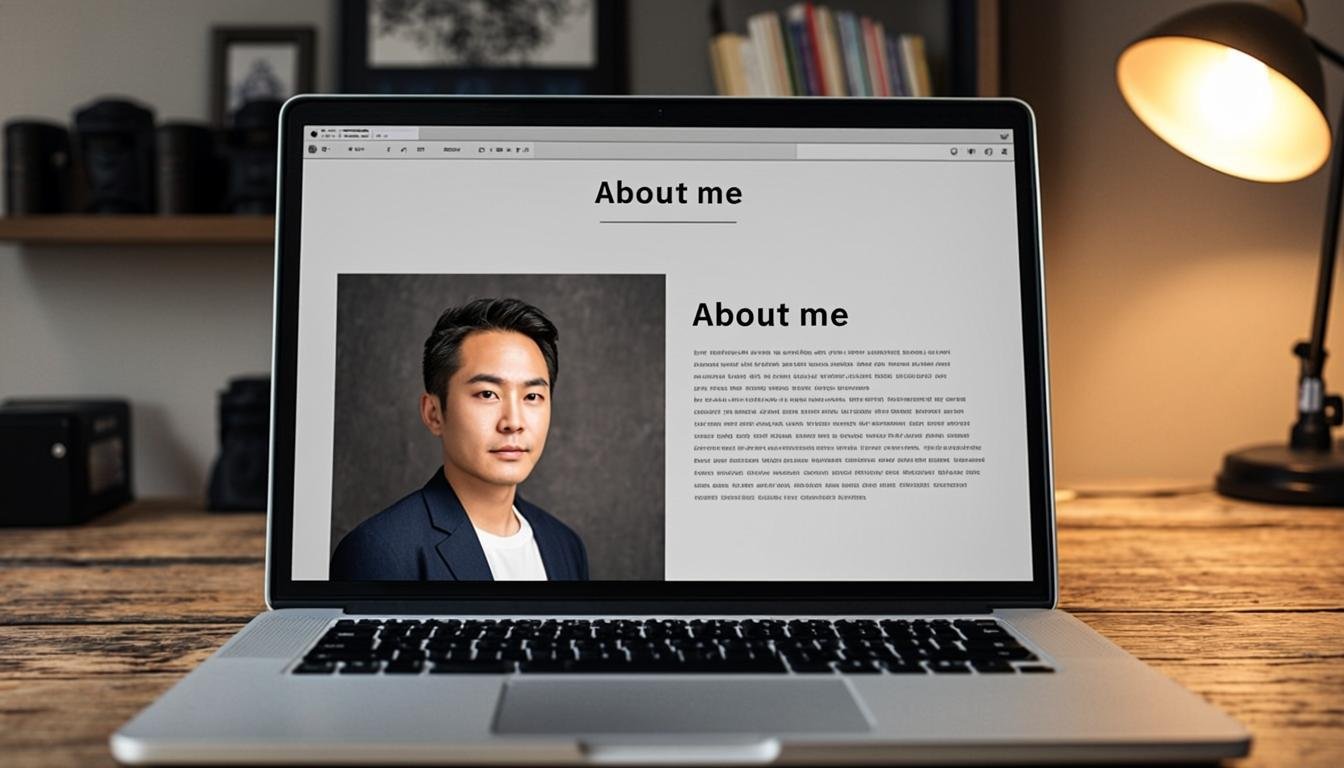

Why Your About Page Is the Most Underrated Page on Your Blog
Here’s a stat that surprises most bloggers: your About page is typically one of the most visited pages on your entire site, second only to your homepage. According to analytics data from Nielsen Norman Group’s research on About Us pages, roughly 10% of visitors who land on a site end up navigating to the About page at some point. That’s a massive amount of traffic going to a page most bloggers treat as an afterthought.
So why does this matter? Because those visitors are actively looking for a reason to trust you. They’ve seen your content, maybe read a blog post or two, and now they want to know who’s behind it all. Your About page is your chance to answer that question in a way that converts casual readers into loyal followers, email subscribers, and paying customers.
The thing is, most bloggers write their About page once when they launch their site and never touch it again. It ends up being a short paragraph that says something like, “Hi, I’m [Name] and I love [Topic]. Follow me on social media.” That’s not going to cut it in 2026. Your About page needs to work just as hard as your best content—if not harder.
Whether you’re building a new blog from scratch or refreshing an existing one, this guide walks you through creating an About page that builds genuine trust and drives real conversions.
What Makes a Great About Page (And What Doesn’t)
Before we get into the specific elements, let’s look at the difference between an About page that makes visitors click away and one that makes them subscribe. The distinction usually comes down to a few key principles.
A Great About Page Is About Your Reader, Not Just You
This sounds counterintuitive—after all, it’s called an “About” page. But the most effective About pages use the blogger’s story as a bridge to connect with the reader’s needs. Instead of just listing your accomplishments, frame your story around the problems you solve and the transformation you help your readers achieve. Every paragraph should answer the reader’s unspoken question: “Why should I care about this person?”
A Weak About Page Is a Resume, Not a Story
Listing credentials, degrees, and job titles in chronological order reads like a dry LinkedIn profile. It tells people what you’ve done but doesn’t help them feel anything about you. Stories, on the other hand, create emotional connections—and emotional connections are what drive people to subscribe, buy, and share your content.
A Great About Page Shows, Not Just Tells
Anyone can write, “I’m an expert in digital marketing.” But saying, “I’ve helped 200+ small businesses grow their organic traffic by an average of 340% over 18 months” is far more convincing. Specific numbers, concrete examples, and visible proof points do the heavy lifting for your credibility.
A Weak About Page Has No Clear Next Step
After reading a great About page, the visitor should know exactly what to do next—subscribe to your email list, read your most popular content, check out your services, or buy a product. A page that ends without a call to action wastes all the trust you just built.
Essential Elements of a High-Converting About Page
Every effective About page includes these core elements. You don’t have to follow this structure exactly, but make sure you’re covering all of these bases in some form.
A Strong, Benefit-Driven Headline
Your headline should immediately communicate what you do and who you do it for. Think of it as an elevator pitch in one line. Instead of “About Me” (boring and wasted space), try something like:
- “I help new bloggers turn their passion into a profitable online business”
- “Practical personal finance advice for freelancers and creative professionals”
- “Simplifying WordPress so you can focus on creating content, not fixing code”
The key is putting the reader’s benefit front and center. Your name is important, but it belongs in a subheading, not the main headline.
A Professional, Approachable Photo
A photo of you—the actual person behind the blog—is non-negotiable. Blogs without photos of their creators feel impersonal and anonymous, which is a trust killer. But not just any photo will work. You need an image that looks professional while also feeling approachable. Avoid:
- Selfies (too casual for a professional About page)
- Wedding-style photos (too formal and distracting)
- Heavily filtered or edited photos (creates distrust)
- Group photos where it’s unclear which person is you
- Stock photos pretending to be you (never do this)
Invest in a professional headshot if you can. A good photographer will make you look confident and authentic. If that’s not in your budget right now, have a friend take your photo in good natural lighting with a clean background. The quality of phone cameras in 2026 is more than sufficient for a great headshot.
Your Origin Story
How did you end up doing what you do? What problem or experience led you to start your blog? People connect with journeys, especially ones that include struggles, failures, and turning points. Maybe you started your blog because you were frustrated by the lack of honest information in your niche. Maybe you had a career change, overcame a challenge, or discovered something that changed your life.
Your origin story doesn’t need to be dramatic. It just needs to be honest and relatable. Share the version of yourself before you had all the answers, because that’s where most of your readers are right now. They’ll see themselves in your story and think, “This person gets it—they’ve been where I am.”
Your Mission and Values
What drives your blog? What do you stand for? What makes your approach different from everyone else in your niche? Stating your mission clearly gives visitors a reason to choose your blog over the hundreds of others covering similar topics.
For example, a personal finance blog might say: “My mission is to make personal finance accessible and judgment-free for people who didn’t grow up learning about money. No shaming, no complicated jargon, just practical steps anyone can take to build a better financial future.”
This statement immediately tells visitors who this blog is for and what they can expect. It’s a filter that attracts the right audience and repels the wrong one.
Social Proof and Credibility Markers
This is where you back up everything you’ve claimed about yourself. Social proof takes many forms, and the more types you include, the stronger your credibility:
- Numbers and results: “Helped 500+ students,” “Generated $2M in client revenue,” “5,000+ daily readers”
- Media mentions: “Featured in Forbes, Entrepreneur, and The New York Times”
- Awards and recognition: “Named Top 10 Marketing Blog by Feedspot”
- Certifications: Relevant degrees, industry certifications, professional memberships
- Client and reader testimonials: Quotes from real people you’ve helped
- Partnerships: Brands you’ve worked with or platforms that feature your content
The key word here is “relevant.” Only include proof that’s related to what your blog covers. If you blog about cooking, your law degree isn’t relevant credibility. But your culinary certification, restaurant experience, or cooking competition placement absolutely is.
Fun Facts and Personality
This is the part most bloggers skip, and it’s a mistake. Sharing a few personal details makes you feel like a real person, not just a content machine. Include things like:
- Where you live (city/region is fine, no need for your exact address)
- Hobbies and interests outside your blog topic
- A quirky fact or surprising detail about yourself
- What your typical day looks like
- Your coffee order, favorite book, or something unexpected
These details create conversation starters and make readers feel like they could be friends with you. That emotional connection is what turns casual readers into loyal fans.
Clear Contact Information
Make it easy for people to reach you. Include at least an email address, and ideally additional contact methods like a contact form, social media links, or even a business phone number if relevant. The easier you are to reach, the more trustworthy you appear. Hiding your contact information is one of the fastest ways to lose credibility.
Consider adding a note about your response time expectations: “I read every email and typically respond within 48 hours.” This sets clear expectations and shows that you’re accessible.
Strategic Call-to-Action Placement
Your About page should include at least one, preferably two, calls to action. The primary CTA should match your most important goal for new visitors:
- Building your email list: “Join 10,000+ subscribers who get my best tips every week”
- Driving traffic to key content: “Start here: Read my most popular posts for beginners”
- Promoting services: “Ready to work together? Check out my freelance services”
- Selling products: “Download my free starter kit” or “Explore my courses”
Place your primary CTA above the fold (visible without scrolling) and a secondary one at the bottom of the page. This captures both people who make quick decisions and those who read the entire page before acting.
How to Write Your Story Without Sounding Braggy or Boring
One of the biggest challenges bloggers face with their About page is finding the right tone. Too humble, and you don’t build credibility. Too boastful, and you come across as arrogant. Here’s how to strike the right balance.
Use the “Before, During, After” Framework
This storytelling structure works beautifully for About pages:
- Before: Describe where you started—the problem you faced, the gap in knowledge, or the frustration you experienced. This creates empathy because your reader is likely in the same position right now.
- During: Share the journey—what you learned, the mistakes you made, the breakthroughs you had, and the work you put in. This demonstrates perseverance and makes your expertise feel earned, not handed to you.
- After: Show the results—what you’ve achieved, who you’ve helped, and where you are now. This is where you include your social proof and credibility markers.
This framework naturally prevents you from sounding braggy because you’re showing growth rather than listing achievements.
Write in First Person for Solo Blogs, Third Person for Teams
If you’re a solo blogger, write in first person (“I,” “my”). It’s more personal and direct. If you run a multi-author blog or agency, write in third person or first person plural (“we,” “our team”). Mixing perspectives creates confusion about who’s actually behind the blog.
Be Specific, Not Vague
Vague claims sound like marketing speak. Specific claims sound like facts. Compare these two approaches:
| Vague (Weak) | Specific (Strong) |
|---|---|
| I’m an experienced blogger | I’ve been blogging since 2018 and have published over 400 articles |
| I’ve helped many people | I’ve coached 150+ beginners through my 8-week blogging course |
| My blog gets a lot of traffic | My blog reaches 80,000+ unique visitors per month |
| I know a lot about SEO | My strategies have helped clients rank on page one for 200+ keywords |
| I’ve been featured in media | Quoted in Forbes, Mashable, and Search Engine Journal |
Include a Struggle or Failure
Perfection is intimidating. People trust people who’ve faced challenges, made mistakes, and learned from them. Sharing a failure—like a blog that flopped before your current one succeeded, a business that didn’t work out, or a time you were completely wrong about something—makes your success story more believable and relatable.
About Page Examples by Blog Niche
Different niches call for different approaches to the About page. Here’s how the core elements translate across popular blog categories.
Personal Finance Blogs
Headline: “I paid off $87,000 in debt in 3 years—and I’ll show you how to do it too”
Key elements: Your personal debt/income story with real numbers, financial credentials or certifications (CFP, CPA), media appearances on financial outlets, reader success stories, links to your most popular money-saving guides. Financial blogs need extra credibility because readers are trusting you with sensitive financial decisions.
Travel Blogs
Headline: “Exploring the world on a freelance income—50 countries and counting”
Key elements: A compelling photo from a memorable destination, how you fund your travels (honesty about this builds trust), country count and highlights, partnerships with tourism boards or travel brands, your travel philosophy, and links to destination guides. Readers want to know your trips are authentic and achievable, not sponsored fantasy vacations.
Food and Recipe Blogs
Headline: “Approachable recipes for busy families—tested 3 times before they make the blog”
Key elements: Your culinary background or self-taught journey, your food philosophy (quick meals? healthy ingredients? budget-friendly?), photos of your kitchen/cooking setup, links to top-rated recipes, and a personal story about why food matters to you. Recipe blogs benefit enormously from showing the real kitchen where everything is made—mess and all.
Tech and Development Blogs
Headline: “Making web development simpler for self-taught programmers”
Key elements: Your technical background, companies you’ve worked for, open-source contributions, speaking engagements or conference appearances, GitHub stats, and the specific pain points you address. Tech readers are skeptical of anyone who can’t demonstrate real technical chops, so show your code, not just tell people about it.
Health and Fitness Blogs
Headline: “Evidence-based fitness guidance for regular people—not bodybuilders”
Key elements: Relevant certifications (NASM, ACE, registered dietitian credentials), your personal transformation story, client testimonials with specific results, disclaimers about your scope of practice, and links to your most comprehensive guides. Health blogs need clear disclaimers about not providing medical advice—this actually builds trust by being transparent about your qualifications.
Business and Marketing Blogs
Headline: “Real-world marketing strategies from someone who’s actually run a 7-figure business”
Key elements: Business achievements with specific numbers, brands you’ve worked with, case studies from clients, your business philosophy, speaking appearances, and links to your highest-value content. Business readers want proof that your strategies work in the real world, not just theory.
Professional Photos: What You Actually Need
Let’s talk about photos in more detail because this is where a lot of bloggers drop the ball. You need more than just a headshot—your About page should include 2–3 images that together tell a visual story about who you are.
The Headshot
This is your primary professional photo. It should be well-lit, in focus, with a clean background. Wear what you’d wear to meet a client. Look directly at the camera with a genuine smile (or a confident, approachable expression if that’s more your style). If you’re looking for remote work opportunities as a blogger, this is the photo that’ll represent you professionally across the web.
The Action Shot
Show yourself doing what you blog about. If you’re a food blogger, show yourself cooking. If you’re a fitness blogger, show yourself in action (at the gym, on a trail, etc.). If you’re a tech blogger, show yourself at your workstation. These “in-action” photos make your expertise feel tangible and real.
The Lifestyle Shot
This is a more casual photo that shows your personality. Maybe it’s you at a coffee shop, exploring your city, spending time with family, or doing something you love outside of your blog topic. This humanizes you and creates a connection beyond just “the person who writes about X.”
Photo Tips for Non-Photographers
- Shoot during golden hour (first hour after sunrise, last hour before sunset) for the most flattering natural light
- Use a simple, uncluttered background—solid colors, nature, or clean indoor spaces work best
- Avoid harsh midday sunlight that creates shadows on your face
- Your eyes should be the sharpest part of the photo—most phones do this automatically with portrait mode
- Take 20–30 shots and pick the best one—no one gets it right on the first try
- Have someone else take the photo instead of using a selfie—angles and framing are better
Common About Page Mistakes That Kill Conversions
After reviewing hundreds of blog About pages, the same mistakes keep showing up. Here are the ones you need to avoid:
- Writing “About Me” as the headline – Waste of valuable headline space. Use a benefit-driven headline instead.
- Making it too short – A single paragraph isn’t enough to build trust. Aim for 800–1,500 words that cover all the essential elements.
- Making it too long – If your About page becomes a 5,000-word autobiography, visitors will scroll past everything. Keep it focused and relevant.
- No photo – A faceless About page feels anonymous and impersonal. Always include at least one photo of yourself.
- No call to action – Visitors who’ve read your whole About page are your warmest leads. Don’t let them leave without directing them somewhere useful.
- Writing in corporate jargon – “Synergistic solutions provider” language makes readers click away. Write like you talk to a friend over coffee.
- Never updating it – Your About page should evolve with your blog. Update it at least once a year with new achievements, current goals, and fresh photos.
- Hiding it in the navigation – Your About page should be prominently linked in your main menu. Don’t bury it in a footer or make visitors hunt for it.
- Using a stock photo instead of a real one – This is a trust killer. Readers can usually tell, and when they figure it out, any credibility you had goes out the window.
- Focusing only on yourself – Your story matters, but only insofar as it connects to how you can help your readers. Make the pivot from “me” to “you” early and often.
How to Optimize Your About Page for SEO
Your About page isn’t just for human readers—it’s also an SEO asset. Here’s how to optimize it without making it read like it was written for robots.
Include Your Target Keywords Naturally
If you want to rank for terms like “[your name] blog” or “[your niche] blogger,” include these phrases naturally in your About page content. Your headline, first paragraph, and meta description are the most important places for keywords.
Add Structured Data
Using schema markup for your About page helps Google understand who you are and can enable rich results like knowledge panels. Person schema, Organization schema, and Author schema are all relevant for About pages.
Internal Linking Strategy
Your About page is one of your most visited pages, which makes it a powerful internal linking hub. Link to your best content, your services page, your email signup, and your most popular posts. This passes link equity to your most important pages and keeps visitors exploring your site longer.
Write a Compelling Meta Description
Your meta description shows up in search results beneath your page title. Write one that includes your name, your niche, and a compelling reason to click. Example: “Meet [Name], a [niche] blogger who’s helped [number] people [achieve result]. Learn more about [Name]’s story and discover [resource].”
Writing Your About Page: Step-by-Step Process
Ready to write (or rewrite) your About page? Here’s a practical process to follow:
- Research other About pages in your niche – Look at 5–10 successful blogs in your space. Note what works and what doesn’t. Don’t copy them, but learn from their approach.
- Brainstorm your story – Write down the key moments in your journey: the start, the struggles, the breakthroughs, and where you are now. Don’t worry about writing well—just get it all out.
- Identify your reader’s core desire – What does your ideal reader want most? Freedom? Knowledge? Better skills? More income? Health? Frame your story around helping them get that thing.
- Write the first draft – Use the Before, During, After framework. Write conversationally, like you’re telling your story to a friend. Don’t edit as you go.
- Add credibility markers – Layer in your achievements, numbers, testimonials, and social proof. Make sure they’re specific and relevant.
- Add personality – Include 2–3 personal details that make you memorable. Ask a friend what stands out about you if you’re stuck.
- Write your CTAs – Decide what action you want readers to take and craft clear, compelling calls to action.
- Edit ruthlessly – Cut anything that doesn’t serve the purpose of building trust or driving action. Every sentence should earn its place.
- Get feedback – Ask 2–3 people (ideally in your target audience) to read your About page and share their honest impressions. Does it make them trust you? Do they know what to do next?
- Publish and test – Go live with your new About page and monitor your analytics. Track how it affects email signups, time on page, and click-through rates to linked pages.
Frequently Asked Questions
How long should my About page be?
Aim for 800–1,500 words for a standard About page. That’s long enough to include all the essential elements—your story, credibility markers, personality, and calls to action—without becoming a snooze-fest. If you have a particularly compelling story or a lot of relevant achievements, going up to 2,000 words is fine. The key is making every word count. If a paragraph doesn’t serve the goal of building trust or directing the reader to take action, cut it. Quality always beats quantity.
Should I use “About Me” or “About Us”?
It depends on who’s behind the blog. If you’re a solo blogger, use “About Me” or something more creative like “The Story Behind [Blog Name]” or “Hey, I’m [Name].” If you run a multi-author blog, an agency, or a brand with a team, use “About Us” and introduce each team member. Avoid mixing the two—if it’s primarily you with occasional guest contributors, keep it first person. Readers get confused when they can’t tell if they’re dealing with an individual or a company.
Do I need a professional photographer for my About page photo?
It’s strongly recommended but not absolutely required in 2026. Modern smartphones (iPhone 16 Pro, Samsung Galaxy S25 Ultra, Google Pixel 9 Pro) can take stunning portraits with their built-in portrait mode. The most important thing is good natural lighting and a clean, uncluttered background. However, if you can afford a professional headshot session ($100–$300 in most markets), it’s worth every penny. A professional photo immediately elevates the perceived quality of your entire blog and is an investment that lasts for years.
How often should I update my About page?
At minimum, once a year. But you should also update it whenever something significant changes: hitting a major milestone (reader count, revenue goal, or other achievement), launching a new product or service, receiving media coverage, or shifting your blog’s focus. Think of your About page as a living document that grows with your blog, not a static page you write once and forget. When you update it, you can also reshare it on social media with a “get to know me” angle, which tends to get high engagement.
Where should I place the call to action on my About page?
Use a two-CTA strategy. Place your primary call to action (usually your email signup or most-wanted action) above the fold so visitors see it immediately, even before scrolling. Place a secondary, contextual CTA at the bottom of the page after visitors have read your full story. The first CTA catches quick deciders; the second catches people who need more information before committing. You can also include a smaller CTA or two within the body content where they feel natural.
Should I include my personal address or phone number on my About page?
Generally no, unless you have a physical business location that visitors might come to (like a studio, restaurant, or retail space). For most bloggers, an email address and contact form are sufficient. If you include a phone number, use a business line or Google Voice number rather than your personal cell phone. Never include your home address on a public blog—safety first. You can mention your city or region if you want to add a geographic element, but there’s no need to get more specific than that.
What if I don’t have impressive credentials or achievements yet?
You don’t need a Wall Street resume or Ivy League degree to build trust. Focus on what you DO have: your personal experience, your dedication to the topic, your unique perspective, and the specific results you’ve achieved—even if they’re small. “I spent 6 months testing 15 different budgeting apps so you don’t have to” is impressive and relatable, even without formal credentials. Authenticity and specificity matter more than traditional credentials for most blog audiences. Share your genuine experience, and let your content quality speak for itself.
Can I have more than one About page?
Yes, and it’s actually a smart strategy for some blogs. You might have a primary “About” page for the blog itself, plus an “About the Author” page that goes deeper into your personal background. If you run a multi-author blog, each writer can have their own individual About page linked from their author bio on posts. Some bloggers also create a separate “Work With Me” page that focuses on their services, keeping the main About page focused on story and trust. This keeps each page focused on its specific purpose and improves conversion rates on the services page.

Other Articles

How to Write an About Page That Builds Trust (2026)
Best Free Stock Photo Sites for Bloggers (2026)